

The Benefits of a Washer Dryer Combo
A washer-dryer combo is the ideal solution for those tired of having to separate light and dark or waiting for their dryer to complete. These all-in one appliances are available in vented or ventless models. They can revolutionize your laundry routine.
They're an excellent choice for anyone living in a small house or apartment. They're roughly the same size as dishwashers.
Space Savings
A combo washer and dryer eliminates the need for two appliances in your laundry room. All-in-one units wash and dry your clothes in a single process, eliminating the hassle of transferring wet laundry from one machine to another and removing the puddle that tends to form at your feet. All-in-one washers and dryers, whether vented or not, are ideal for those who live in small homes apartment buildings, condos, apartments and other areas that have limited space.
They are smaller in size and height than separate washers and dryers. This makes them suitable for smaller spaces like under a table or inside a cupboard. And they're easy to store when not in use, which makes them an ideal choice for homes with no dedicated laundry rooms.
These dryers have settings that let you choose a specific cycle for each task. You can either wash and dry simultaneously or run a washing cycle followed by a drying cycle. This is a great convenience for busy families. A lot of units also have delay options that allow you to set the start time for a date in the future and then forget about it. You'll return to a clean load of laundry ready for use.
A combination of washer and dryer is typically cheaper than standalone machines. However, they tend to have less capacity for washing and drying as compared to standalone machines. This is why it is important to think about your particular requirements and capacity for washing when choosing a model.
A few disadvantages to take into consideration when shopping for a combination washer and dryer include the longer drying time and the small capacity of each cycle. These dryers are designed to be compact, and thus cannot hold the same amount of laundry as their standalone counterparts. This can result in longer drying times since hot air has to be able to circulate through the drum to dry wet laundry.
Another issue is that all-in one washers and dryers use the same components to accomplish both tasks, which can cause them to be more prone to wear and wear than standalone appliances. This could increase your repair costs down the road.
Time Saving
Washer dryer combos combine the functions of two separate appliances in one unit. Their compact size makes them ideal for homes with limited laundry space like condos and apartments as well as homeowners who don't have their own laundry room. Combination units are smaller than top-of-the-line washers/dryers, but they offer the same features and programs.
The biggest benefit of a washer/dryer combo is the time you can save by not having to switch over a load from one appliance to another. A lot of combination machines have settings that permit you to dry your clothes right after the wash cycle has finished, which can save you time.
Another benefit is that washer dryer combos are designed to be energy-efficient and use less energy and water than standalone washing machines and clothes dryers. Some models even have sensors to detect moisture levels, adjusting the length of the drying process to conserve energy.
On the other hand, it can take three and three and a half hours for a washer-dryer combo to complete one full cycle, which is longer than what it takes for a typical clothes dryer. This can be an issue if you're strapped on time or you're trying to minimise your energy consumption.
Certain washer dryer combos may produce a lot of lint. This isn't a big deal when you have a lint trap installed in your home, but if don't, it could be a major issue. A lint trap can help minimise this problem. You should also ensure that your combination machine is cleaned regularly to avoid the buildup of grime and odours. This is particularly crucial if you live in tank water or located in an area with limited venting. These machines could cause more issues if not properly maintained.
Energy Savings
A washer-dryer combination eliminates the need to have two appliances in your laundry room, saving energy and making your house more efficient. Combination machines can provide drying and washing power similar to a traditional side-by- front washer and dryer, but with half the space. Combination dryers and washers are popular for a variety of reasons. These units are more expensive than standalone models, however they pay for themselves in the end with their energy savings.
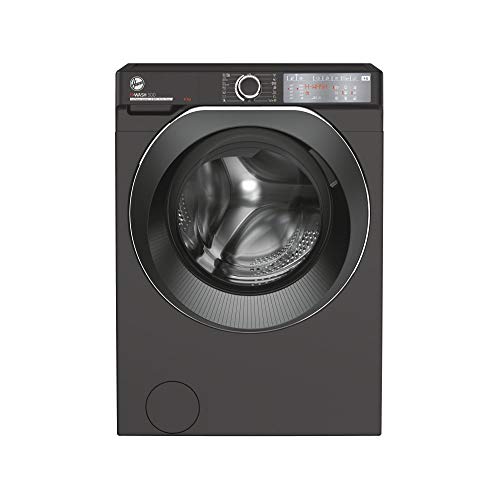
In comparison to separate dryers and washers these appliances consume less energy because of their lower hot water usage. The drying process also consumes less energy because the combined unit spins the laundry at high speeds, releasing more moisture and reducing drying time. Read Homepage can result in a lower energy bill for homeowners and apartment tenants.
Depending on the model you pick, some washer/dryer combination machines are vented, while others are ventless. Those that require ventilation are capable of operating only in areas where air can escape which is why they won't be suitable for bathrooms or basements. Ventless washer/dryer combinations are popular in lofts and apartments as well as homes that do not have a vent in the laundry area.
Combination washer and dryer machines are often more durable than traditional laundry equipment and can last for up to 10 years when properly maintained. However, the constant exposure to water can cause wear and tear in the motor of the machine. Therefore, it's recommended to limit the number of times you wash these units, preferably no more than once every 10 days.
One disadvantage of a washer/dryer combination is that it can take up to six hours for the dryer cycle to complete. This can be a hassle for those who need to wear their clothes for an event or busy schedule. Because of this, some people choose to purchase an individual dryer or hang their clothes outside for quicker results. One option that is ideal for these situations is the Hills Hoist, which can help make laundry easier and more affordable than a combination dryer and washer.
Convenience
Combination units of washer and dryer (also known as laundry centers) are an efficient and space-saving choice for those who want to take the hassle out of doing their laundry. Instead of having to switch loads between a washer and dryer, a combination washer/dryer can handle both tasks in one unit, which is usually no bigger than a dishwasher. This makes it ideal for smaller homes, condos and apartments where every square inch counts.
These appliances are great for reducing space and energy. They're designed to work more efficiently than separate washing machines and dryers with settings that cut down on water and power usage while also helping clothes dry faster. Certain models feature a sensor drying that automatically stops the cycle when the clothes are dry.
In addition, a lot of washer/dryer combinations have a front-loading design that takes less space than standalone models. They also use less water to wash the load which is great for those who are on tank water or worried about the environment. The additional complexity of a washer/dryer combination means that the components are more susceptible to wear more quickly than they would on a stand-alone washing machine or dryer. This can result in higher repair costs in the future.
It's important to weigh up the advantages and disadvantages of a washer/dryer combo prior to purchasing one for your home. While the convenience of being in a position to wash and dry all your clothes and linens in the same unit can be a major benefit but the extra time and effort required by the process could be not worth the trouble for some homeowners. If the unit isn't properly stacked using a stacking set or isn't performing well in drying, you may end paying more than you would have on a separate washer and dryer. Be aware that these units could be more difficult to repair than their standalone counterparts because parts are more difficult to come by and more expensive.